
Geyser IC · ABB Value Provider / Channel Partner · Measurement & Analytics
Inline · clamp-on · multibrand

Ultrasonic flowmeters

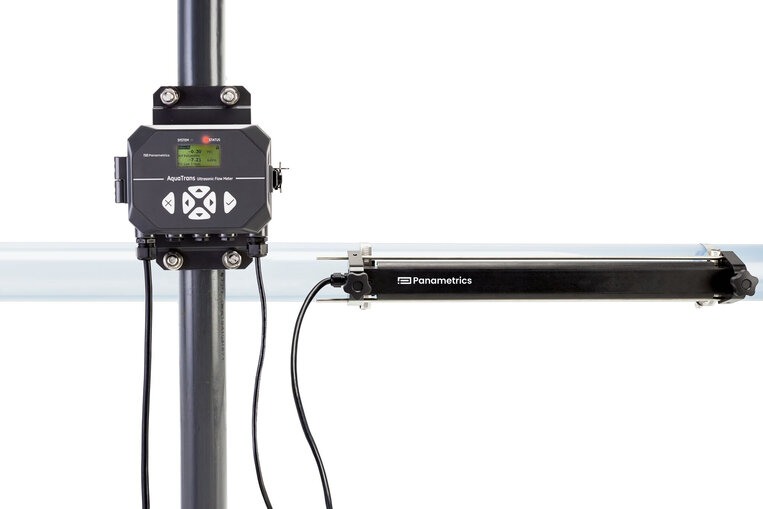
Clamp-on technology is non-invasive and particularly useful for retrofits and field service. Measurement quality depends on pipe information and ultrasonic signal quality as much as on the instrument itself.

Clamp-on ultrasonic
Non-invasive

Clamp-on

Transducers mounted outside the pipe: no cutting, fluid contact or pressure loss. Suitable for retrofits and temporary or permanent checks.
Datasheet following brand and model selectionManual following brand and model selection
Inline
Dedicated installation

Inline

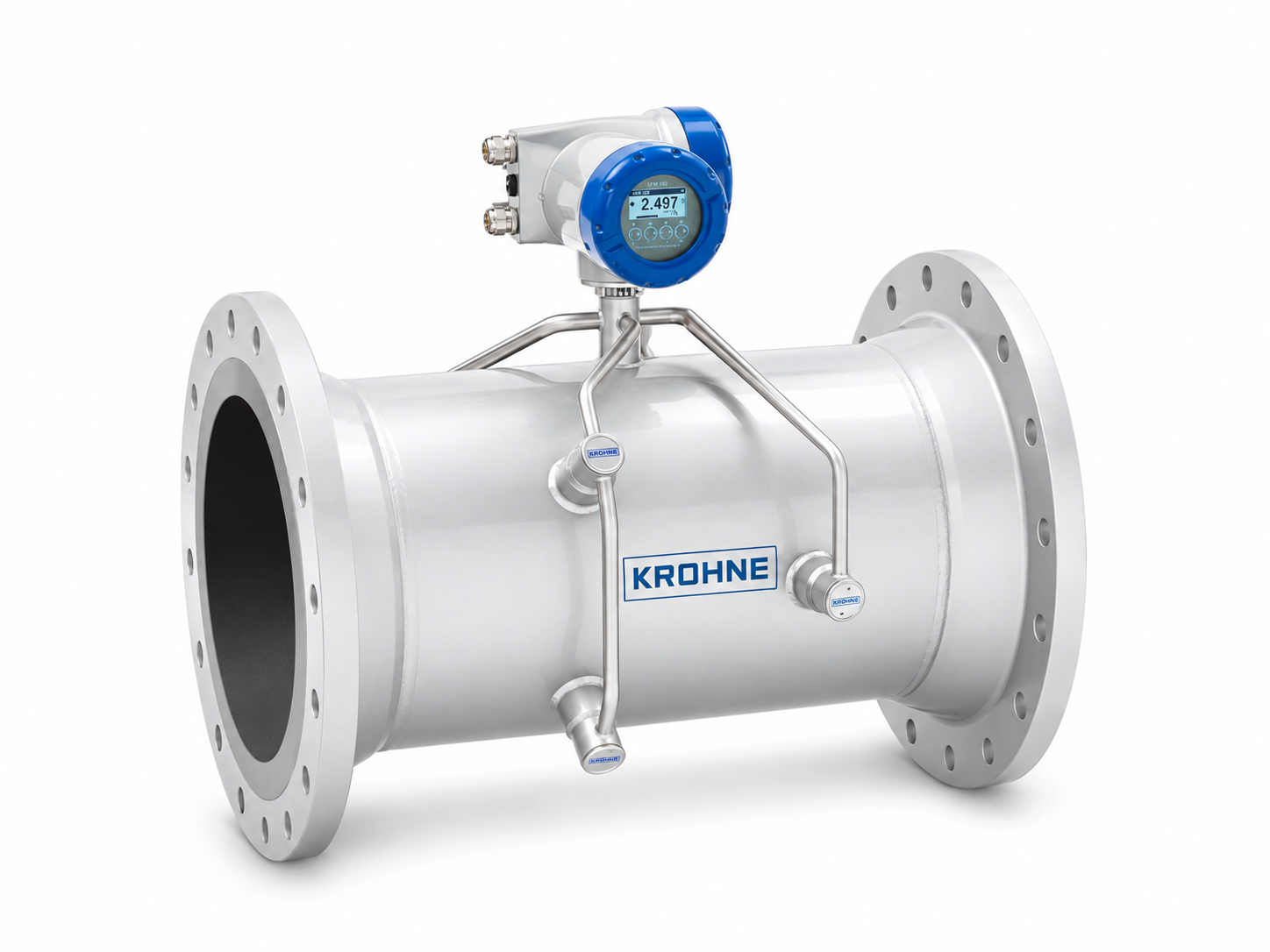
Transducers designed with the measuring body reduce dependence on pipe wall or liner information and provide a stable solution for permanent installations.

Datasheet following brand and model selectionManual following brand and model selection
Field service usePortable clamp-on meters are useful for comparing readings from electromagnetic or other flowmeters, checking pumps and conducting measurement campaigns without stopping the plant.
No fluid contactCorrosive fluids and high pressures do not contact clamp-on transducers. Acoustic limitations of the pipe and fluid still apply.

When we recommend it

  • Retrofits without shutdown.
  • Temporary checks of existing flowmeters.
  • Pipes where additional pressure loss is undesirable.
  • Clean liquids and acoustically suitable pipe walls.
  • Medium and large diameters where clamp-on measurement is economical.

Points requiring care

  • Liquids with substantial entrained air or solids.
  • Heavily corroded pipes, unknown liners or multilayer construction.
  • Very limited straight runs and a heavily distorted profile.
  • Custody transfer applications without a dedicated certified solution.
  • Locations where good acoustic coupling cannot be achieved.
Measure the actual pipeOutside diameter, wall thickness and liner data entered in the converter must reflect the actual pipe, not just its nominal size.
Prepare the surfaceRust, thick paint and dirt reduce coupling quality. Clean the location and use the correct couplant.
Signal qualityA displayed number alone is not proof of a valid measurement. Check signal quality, transit time and diagnostics.
Sensor spacingCalculate spacing and the V, Z or W path for the pipe and operating range.
Straight runsPosition transducers away from valves and disturbances where possible.
Comparing instrumentsCompare stable average readings and account for the uncertainty of both meters.
Request a quotation

Tell us about your flow measurement

The more details you provide, the sooner we can select the right technology and nominal size.

Photograph / datasheet / P&ID

Attach files in your email application after preparing the enquiry.

Geyser IC uses your details to handle this enquiry. Read the privacy notice

Prepare your enquiry, then open it in your email application. Nothing is sent automatically.
Technical FAQ

Frequently asked questions

When is a clamp-on meter useful?

When cutting the pipe is undesirable: retrofits, troubleshooting, temporary measurement, installed meter checks or applications where the fluid must not contact the sensor.

How accurate is it compared with an inline meter?

It can be highly repeatable, but absolute accuracy also depends on pipe data, liners, coupling and flow profile. A dedicated inline meter may be preferable for permanent metrological requirements.

Does it work with bubbles or solids?

Conventional transit-time measurement prefers relatively clean liquids. Entrained air and solids can attenuate the signal. Other ultrasonic techniques may suit different applications.

Can it check an electromagnetic meter?

Yes. A portable clamp-on meter provides an independent comparison and an indicative check of flow, pump performance or balances, accounting for both installations' uncertainty.

What information is required?

Nominal and outside diameter, pipe material, wall thickness, liner, fluid, temperature, range and available straight runs.