Level transmitters
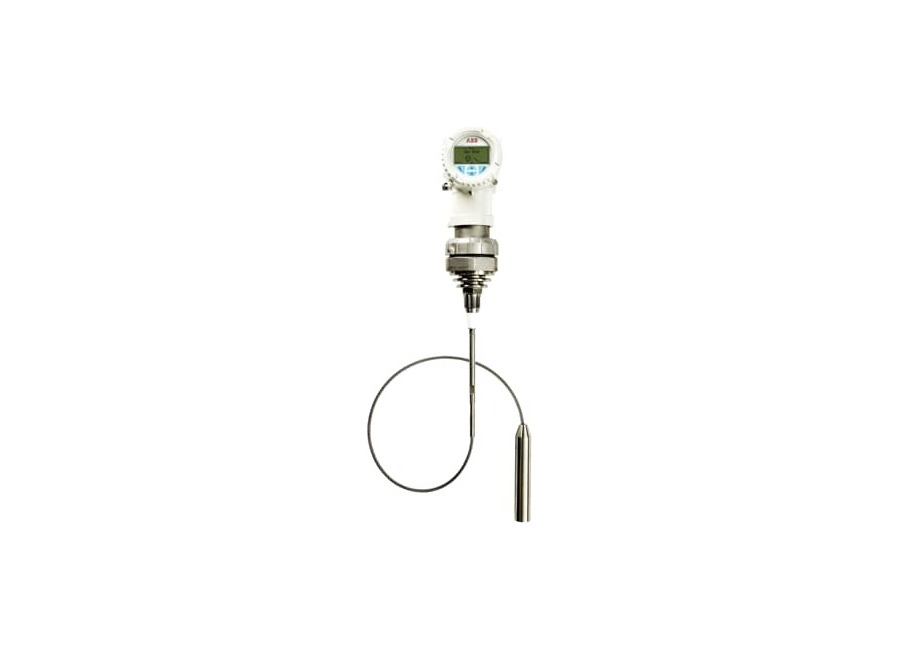
80 GHz radar, GWR, ultrasonic, laser and magnetostrictive instruments for continuous measurement.
Explore transmittersSelection starts with the process, not just the range: liquid or solid, pressure and temperature, vapour, foam, agitators, internals, dielectric constant, density, interface measurement and access to the measurement point.
80 GHz radar, GWR, ultrasonic, laser and magnetostrictive instruments for continuous measurement.
Explore transmitters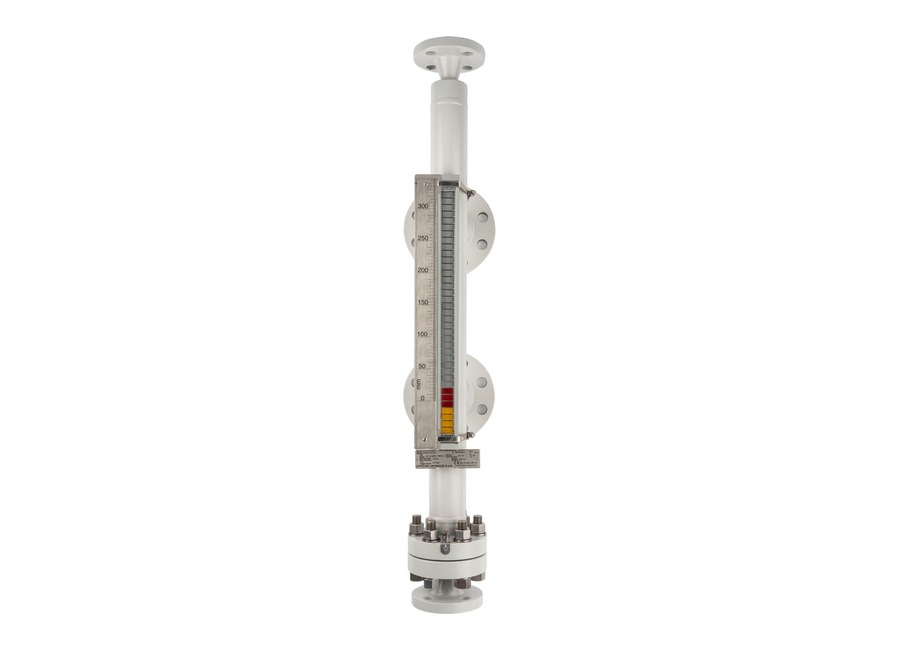
KM26, LMG200 and bypass systems: local indication independent of power, with options to add a transmitter and switches.
Explore indicators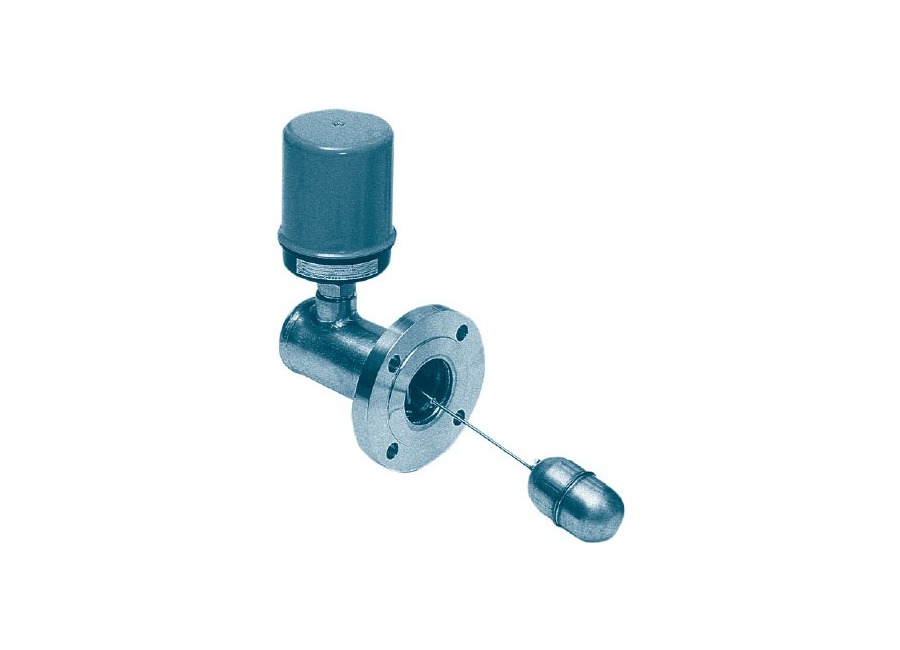
Float, displacer, vibrating, capacitive and magnetic switches for low/high level, overflow and pump protection.
Explore level switchesInitial guidance: final selection must be checked against the process specification.
| Application | First technology to consider | Why |
|---|---|---|
| Liquid tank, non-contact measurement | 80 GHz radar | Narrow beam, no fluid contact, good tolerance of pressure, temperature and vapour. |
| Water / wastewater, tanks and wet wells | Ultrasonic | Simple, cost-effective solution, particularly suitable for multiple installations. |
| Interface or demanding process | GWR | Energy is guided along the probe; useful with vapour, moderate foam and bypass chambers. |
| Bulk solids / long distances / narrow beam | Laser or radar | Reduces interference from internal structures; laser requires a clear optical path. |
| Very high accuracy on liquids / interfaces | Magnetostrictive | Measures float position with high precision; well suited to KM26/chamber installations. |
| High/low threshold | Level switch | Simpler than a continuous transmitter when only a contact is required. |
For level derived from hydrostatic pressure, pressurised tanks or wet/dry legs, see the Pressure section.
Explore pressure transmittersFoam, vapour, density, dielectric constant, agitators and nozzles often matter more than the measuring distance.
Nozzles, ladders, coils, beams and filling streams can create false echoes or obstruct float movement.
Access, isolation valves, drains/vents and probe withdrawal must be planned before purchase.
There is no universal technology. Non-contact radar is versatile, but GWR, ultrasonic, laser, magnetostrictive and hydrostatic pressure may be better for specific applications.
Ultrasonic is often the lower-cost solution for tanks and wastewater; radar becomes attractive where vapour, condensation, temperature, pressure or obstacles make ultrasonic measurement less predictable.
Common solutions are GWR and magnetostrictive measurement, provided fluid properties and installation geometry allow reliable separation of the two levels.
Yes. Gauge/hydrostatic pressure can be used in open tanks; closed or pressurised vessels often use differential pressure, with or without diaphragm seals.