
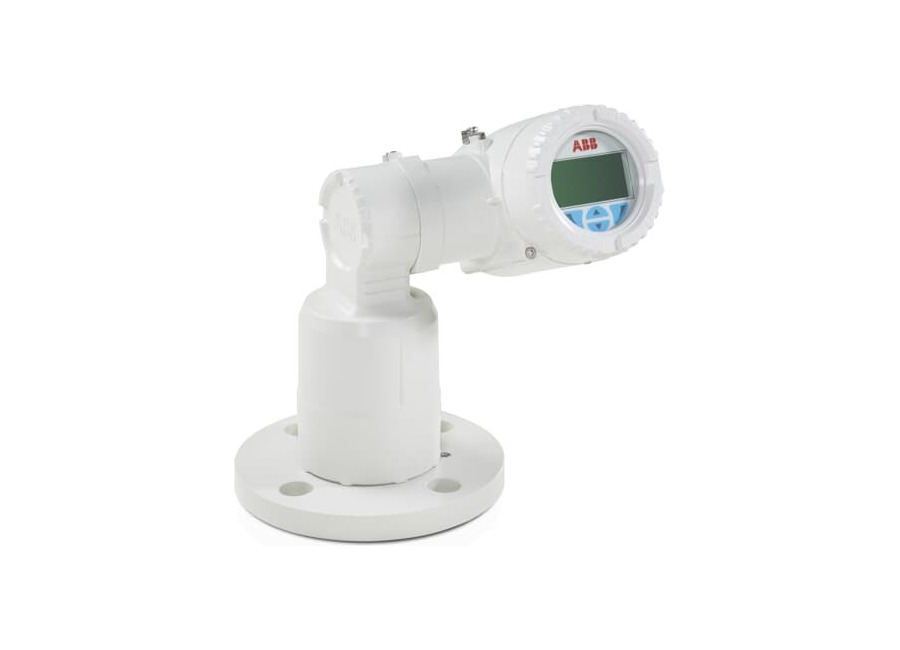
LLT100
Very narrow laser beam for level, distance and position measurement. Suited to solids, silos, mining and geometries with obstacles.
0.5–30 mLiquids
Up to 100 mSolids
Different technologies solve different problems. Correct selection starts with the product, vessel geometry, physical properties, process conditions and maintenance, not just the range.
Very narrow laser beam for level, distance and position measurement. Suited to solids, silos, mining and geometries with obstacles.
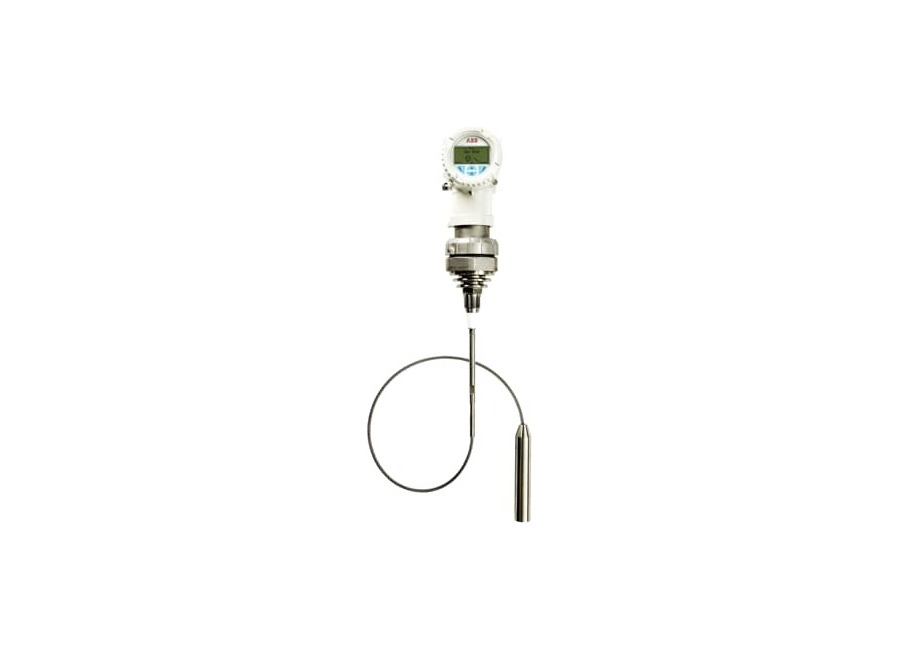
Guided wave radar with LevelExpert™ to distinguish level from false echoes. LWT310 is intended for liquids; LWT320 for solids and greater pull forces.
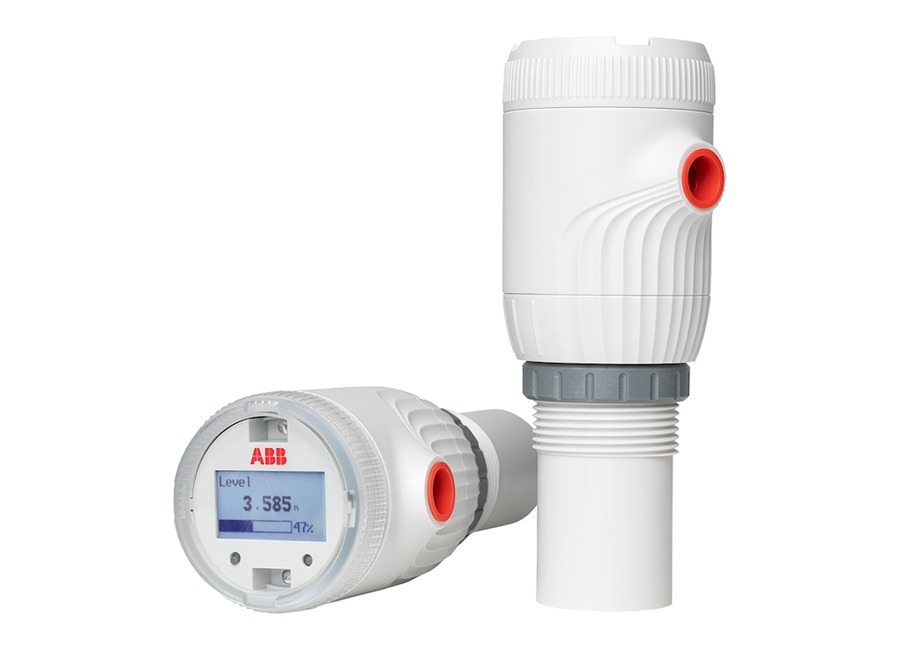
LST200 is intended for water/wastewater; LST300 is a compact 2-wire/HART instrument with waveform display and diagnostics; LST400 reaches 15 m and integrates open-channel flow, relays and pump control.
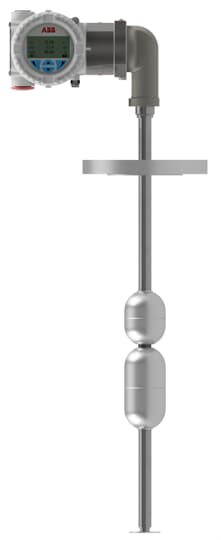
High-accuracy measurement based on magnetic float position. LMT100 for direct insertion, LMT200 externally on a magnetic gauge/chamber, and LMT300 for hygienic applications.
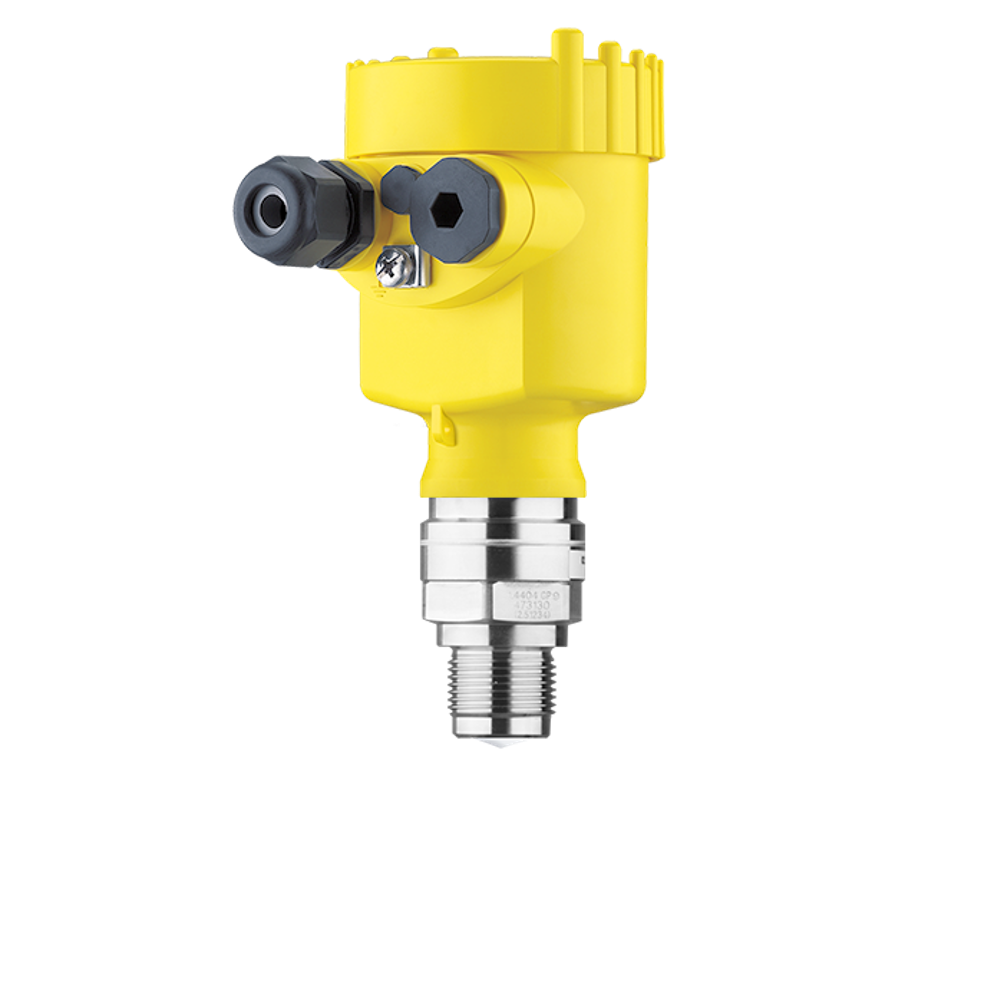
VEGA level transmitters for radar measurement without product contact. Selection considers the liquid or solid, tank geometry and process conditions.
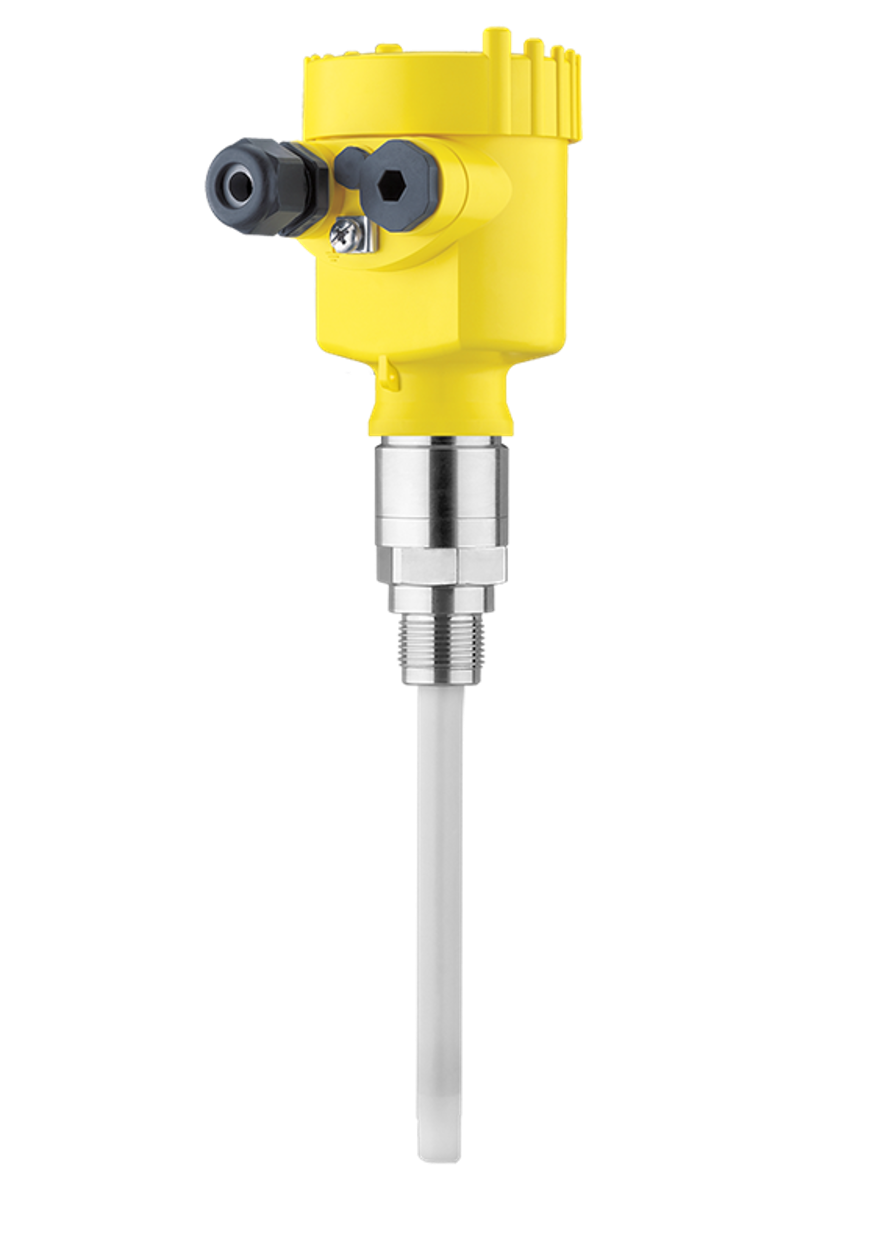
VEGA capacitive level transmitters with a probe in contact with the product. Probe and coating selection depends on the measured material and tank conditions.
Keep the beam clear of ladders, agitators and filling streams. Avoid unsuitable nozzles and use aiming accessories where required.
The probe must not touch walls or internal structures. Chambers require a suitable diameter and correctly selected spacers and end weights.
Mount perpendicular to the surface, away from the filling stream. Check the dead zone and temperature limits.
Correct aiming is essential. Dust tubes, heated windows and cooling tubes can help manage deposits, condensation and temperature.
Size the float for the actual density and interface. Keep the chamber vertical, clean and correctly connected to the vessel.
Avoid unpredictable build-up and check the dielectric constant, grounding and clearance from walls.
ABB's algorithm distinguishes the actual level from false echoes, reducing the need for baseline mapping and manual echo selection associated with older platforms.
A graphical echo display, a beam angle down to approximately 5° and diagnostics support commissioning in confined spaces or around obstacles.
Dust tubes, heated windows, cooling tubes, swivel flanges and pointing tools help maintain the optical path and alignment.
It can be mounted externally on a magnetic level gauge, allowing transmitters and switches to be added or serviced without opening the process.
We check the lifecycle of each specific model code before classifying it as obsolete.
Migration is typically towards LWT300, subject to checks on the probe, length, pressure, temperature, dielectric constant and interface.
LMT100 or LMT200 may be suitable replacements. We verify the lifecycle of the individual model and code before proposing a solution.
For open, closed or pressurised tanks, we can assess gauge or differential pressure transmitters, remote seals, wet and dry legs, and compensation.
Explore pressure measurementDownload the documents for your model. Shared manuals, protocols and versions are identified in each document card.
LWT300 series datasheet, with separate HART and Modbus manuals to match the installed protocol.
Shared LMT100 / LMT200 manuals, with separate HART and FOUNDATION Fieldbus versions.
External mounting on a magnetic level gauge. Shared LMT100 / LMT200 manuals are listed by protocol.
Original PDFs for installed instruments. Check the full model code, protocol and instrument revision.
The datasheet covers MT5000, MT5100 and MT5200. The downloadable manual is for the MT5000 4–20 mA version and does not automatically apply to other variants.
Compact insertion magnetostrictive transmitter. Dedicated AT500 datasheet and manual.
Datasheet for the magnetostrictive transmitter mounted externally on a magnetic level gauge.
Non-contact radar is ideal when immersed parts are undesirable and a clear line of sight is available. GWR is often preferable for interface measurement, bypass chambers or more controlled signal guidance in demanding process conditions.
It can, but dense foam, vapour, strong temperature gradients, high pressure or vacuum may attenuate or deflect the signal. Radar or GWR may be more predictable in these conditions.
When an extremely narrow beam is needed, for solids, long distances or geometries with obstacles. A clear optical path is required, and the window must be protected against condensation and deposits.
ABB positions LWT310 primarily for liquids and LWT320 for solids, where the probe must withstand greater tensile forces.
LMT100 is inserted into the process with a float. LMT200 mounts externally on a magnetic level gauge or chamber, keeping the electronics and sensor outside the fluid.
GWR and magnetostrictive measurement are the most common technologies. Both require sufficient differences between the properties of the two fluids and a suitable mechanical configuration.
Yes, but the replacement cannot be selected by model name alone. We check the probe or chamber, length, density, interface, materials, connection, pressure, temperature and certifications.